Sticky Fingers & Sweet Memories: My Sourdough Monkey Bread Story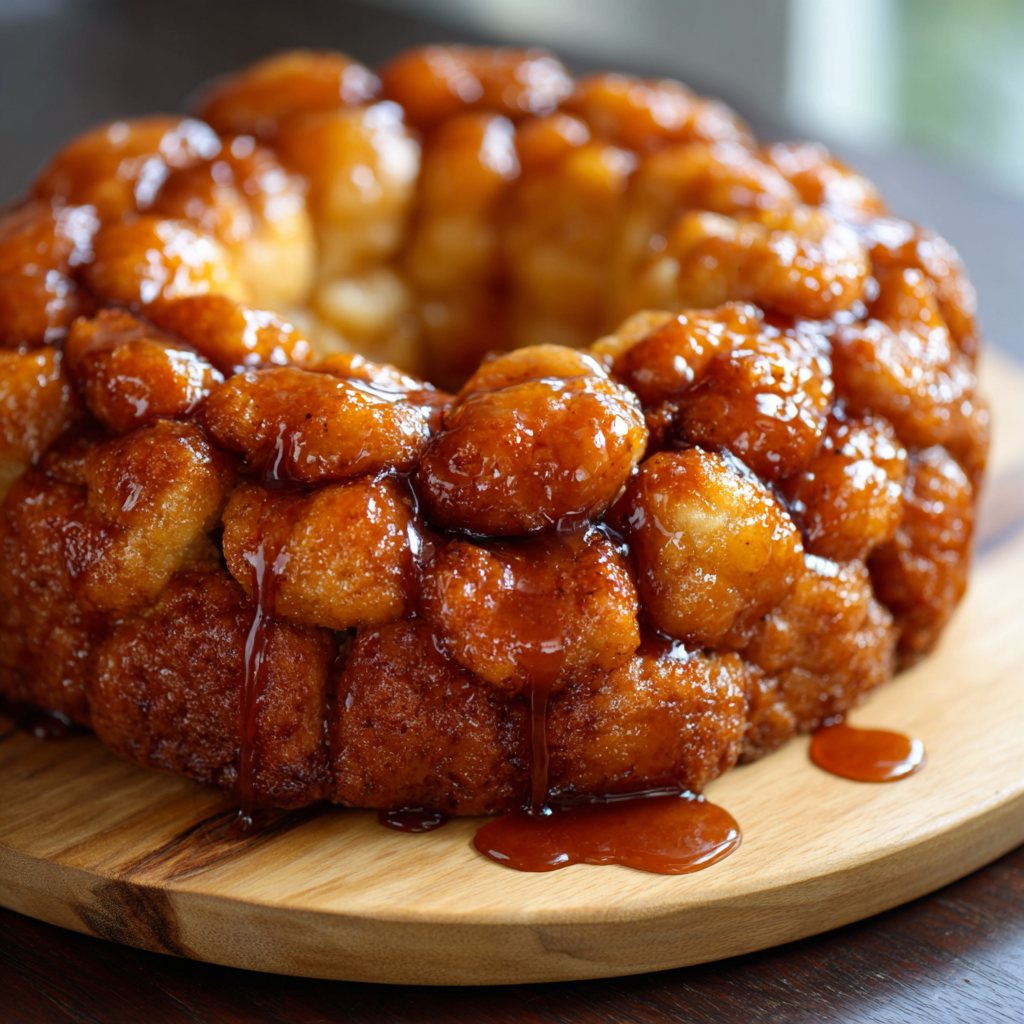
Hey there, friend! Pull up a chair and let’s talk about one of life’s greatest joys: pulling apart a warm, gooey, impossibly sweet piece of monkey bread with the people you love. That first tug, the stretch of caramel, the shower of cinnamon sugar… it’s pure, unadulterated kitchen magic. But what if I told you we could make that magic even better? Today, we’re taking this beloved classic on a delicious detour and infusing it with the tangy, complex soul of sourdough.
This isn’t just monkey bread; this is Sourdough Monkey Bread – a naturally fermented, deeply flavored, pull-apart masterpiece that’s worth every minute of its mostly hands-off rise. If you’ve got a bubbly starter begging for a project beyond your weekly loaf, this is it. We’re transforming simple ingredients into soft, fluffy dough balls, each one dunked in cinnamon sugar, layered in a pan, and drowned in a rich, buttery sauce that bakes into sticky perfection.
I promise you, the slight tang from the sourdough cuts through the sweetness beautifully, adding a whole new dimension that makes this treat utterly irresistible. It’s the ultimate brunch showstopper, a decadent dessert, or the coziest snack for a slow weekend morning. So, dust off your bundt pan, grab your starter, and let’s bake up some nostalgic, fermented fun together. Your kitchen is about to smell absolutely incredible.
More Than Bread: A Tale of Sticky Sunday Mornings
PrintSourdough Monkey Bread : Sticky, Sweet & Naturally Fermented Fun
- Prep Time: 20 min + 6–8 hr (first rise) + 1–2 hr (second rise)
- Cook Time: 35–40 min
- Total Time: 8–10 hr (including rising)
Ingredients
For the Dough:
-
1 cup active sourdough starter, fed & bubbly
-
2 ½ cups all-purpose flour
-
⅓ cup lukewarm milk
-
2 tbsp granulated sugar
-
2 tbsp melted butter
-
1 large egg
-
½ tsp fine sea salt
For Cinnamon-Sugar Coating:
-
½ cup granulated sugar
-
1 tbsp ground cinnamon
-
¼ cup melted butter
For Gooey Caramel Sauce:
-
½ cup packed brown sugar
-
¼ cup butter
-
2 tbsp heavy cream (optional)
Instructions
Make the Dough:
Combine starter, milk, melted butter, sugar, and egg. Mix in flour and salt until a sticky dough forms. Knead lightly on a floured surface until smooth and elastic.
2. First Rise:
Place dough in a greased bowl, cover, and let rise 6–8 hours (or overnight) until puffy and nearly doubled.
3. Shape Dough Balls:
Deflate dough gently. Roll into ~1-inch balls.
4. Coat & Assemble:
Dip each ball in melted butter, then roll in cinnamon sugar. Arrange in a greased 10-cup Bundt pan.
5. Make Sauce & Second Rise:
Melt butter with brown sugar and cream. Pour over dough balls. Cover and let rest 1–2 hours until slightly puffy.
6. Bake:
Preheat oven to 350°F (175°C). Bake 35–40 minutes until golden and bubbly.
7. Cool & Serve:
Cool 15–20 minutes. Invert onto a plate and serve warm. Optional: drizzle with glaze (½ cup powdered sugar + 1 tbsp milk).
Nutrition
- Calories: 310 kcal
- Sugar: 15 g
- Fat: 14 g
- Carbohydrates: 42 g
- Fiber: 1 g
- Protein: 5 g
My love for monkey bread is woven right into the fabric of my childhood. It wasn’t an every-weekend affair, but a “special occasion” treat. The occasion? Usually, my dad had successfully convinced my mom that a can of pre-made biscuit dough and a pound of butter constituted a balanced breakfast. I can still see it so clearly: the cold metal of the tube whacking the edge of the counter to pop it open (we all jumped every single time), the chaotic rolling of dough bits in sugar, and the agonizing wait as the scent of baking cinnamon filled the whole house.
The rule was, you had to wait until it was cool enough to handle. That rule was, of course, universally ignored. We’d crowd around the pan, small fingers burning slightly as we pulled apart molten pieces, strings of caramel stretching from hand to mouth to pan. It was messy, it was silly, and it was pure connection. No phones, no distractions—just us, laughing, getting sticky, and sharing something delicious.
This sourdough version is my grown-up, from-scratch homage to those memories. It takes that joyful, shareable spirit and adds the satisfaction of a slow, fermented dough made with my own two hands (and my trusty starter, Brenda). It’s the same magical, pull-apart experience, but with a heartier, more flavorful soul. It’s my way of saying that some traditions are worth evolving, and that the best recipes are the ones that create new stories while honoring the old ones.
Gathering Your Cast of Characters
Here’s everything you’ll need to create this sticky-sweet masterpiece. Don’t be daunted by the list—it’s mostly pantry staples! The star, of course, is your lively sourdough starter.
For the Tangy, Fluffy Dough:
- 1 cup active sourdough starter (fed and bubbly): This is non-negotiable for that signature tang and rise. Make sure your starter is at peak activity, about 4-8 hours after its last feeding. It should pass the float test (a spoonful dropped in water floats). Chef’s Insight: If your starter isn’t quite bubbly, your rising time will just be longer. Patience is key!
- 2 ½ cups all-purpose flour: The reliable workhorse. I use unbleached all-purpose for a tender crumb. For a bit more chew, you could swap in ½ cup of bread flour.
- ⅓ cup milk (lukewarm): Whole milk adds richness, but any milk you have works. The warmth (around 100°F/38°C) helps activate the starter. Substitution Tip: Plant-based milks like oat or almond work beautifully here too.
- 2 tbsp granulated sugar: Just a bit to feed the yeasties in your starter and add a hint of sweetness to the dough base.
- 2 tbsp melted butter, plus more for greasing: Butter = flavor and tenderness. I use unsalted to control the salt level. Melt it and let it cool slightly so it doesn’t scramble the egg.
- 1 large egg: Our binding agent, adding structure and a lovely golden color to the baked dough.
- ½ tsp fine sea salt: The flavor enhancer. It balances the sweetness and strengthens the gluten. Don’t skip it!
For the Cinnamon-Sugar Coating:
- ½ cup granulated sugar: The sweet, sparkling exterior.
- 1 tbsp ground cinnamon: The warm, cozy spice that makes it *monkey bread*. Feel free to adjust to your love level!
- ¼ cup melted butter: The “glue” that helps the sugar and cinnamon stick to each dough ball and promotes that gorgeous golden-brown crust.
For the Gooey Caramel Sauce:
- ½ cup packed brown sugar: Light or dark both work! Dark brown will give a deeper, more molasses-like flavor.
- ¼ cup butter: Salted or unsalted is fine. If using unsalted, you might add a tiny pinch of salt to the sauce to balance the sweetness.
- 2 tbsp heavy cream (optional, but recommended): This is my secret for a richer, creamier sauce that sets up beautifully. You can substitute with full-fat coconut milk for a dairy-free version.
Let’s Get Baking: The Step-by-Step Fun
This process is a labor of love, but 90% of it is just waiting for the sourdough to do its magical thing. Put on some music, pour yourself a coffee, and enjoy the rhythm of slow baking.
- Make the Dough: In a large bowl, combine your bubbly starter, lukewarm milk, melted (and cooled) butter, sugar, and egg. Whisk it all together until it’s a smooth, sloshy mixture. Add the flour and salt. Use a wooden spoon or your hands to mix until a shaggy dough forms. It will be sticky! That’s perfect.Chef’s Hack: I like to mix in the bowl until it comes together, then tip it out onto a very lightly floured surface. Don’t add too much extra flour—we want a soft, slightly tacky dough. Knead for about 5-7 minutes, until it becomes smoother and more elastic. It won’t be as firm as a traditional bread dough, and that’s okay.
- The Long, Slow Rise: Place your kneaded dough back into a lightly greased bowl. Cover it tightly with a damp kitchen towel, beeswax wrap, or plastic wrap. Let it rest at cool room temperature for 6-8 hours, or even overnight. The dough should look puffy and nearly doubled in size. The timing depends entirely on the strength of your starter and the temperature of your kitchen. Don’t rush it. The slow fermentation is what builds that incredible flavor.Chef’s Note: If your kitchen is very cold, this can take 10-12 hours. If it’s very warm, it might be ready in 5-6. Judge by look, not just the clock!
- Shape the Balls: Once your dough is beautifully risen, gently deflate it. No need for a heavy punch—just press the air out. Using kitchen shears, a bench scraper, or lightly oiled hands, pinch off pieces of dough and roll them into 1-inch balls. They don’t need to be perfect spheres! A little irregularity adds charm.Tip for Less Mess: I set up my coating station *before* I start shaping. Have your ¼ cup melted butter in one shallow bowl, and your cinnamon-sugar mixture mixed in another. A baking sheet lined with parchment is great for holding the coated balls.
- Coat & Assemble: Dip each dough ball in the melted butter, letting the excess drip off, then roll it generously in the cinnamon sugar. Place the coated balls into a generously greased 10-cup Bundt pan or tube pan. You can layer them randomly or in neat-ish rings—they’ll bake together anyway.
- Whip Up the Sauce & Second Rise: In a small saucepan over low heat, melt the ¼ cup butter for the sauce. Whisk in the brown sugar and heavy cream (if using) until smooth and just beginning to simmer. Remove from heat. Slowly and evenly pour this luscious sauce over all the dough balls in the pan. Now, cover the pan again and let it rest for 1-2 hours. The dough balls will get slightly puffy and cozy up to each other.
- Bake to Golden Perfection: Preheat your oven to 350°F (175°C). Once puffy, place the pan on a baking sheet (to catch any potential bubble-overs) and bake for 35-40 minutes. You’re looking for a deep golden-brown top and bubbly, thick sauce around the edges. The heavenly smell will be your first clue it’s done.Critical Step: Let it rest! When it comes out of the oven, let it cool in the pan on a wire rack for 15-20 minutes. This allows the molten sugar to set slightly so you get a gooey pull, not a lava-flow injury. Then, place your serving plate over the pan, flip it with confidence, and gently lift the pan away to reveal your glorious, sticky masterpiece.
How to Serve This Sticky Sensation
The beauty of monkey bread is in the sharing! Place the inverted bread on a large plate or platter right in the center of the table. I like to tuck a few extra napkins underneath because things are about to get deliciously messy. Let everyone pull apart their own pieces—it’s the whole point! For an extra touch, you can drizzle any remaining sauce from the pan over the top, or add a simple vanilla glaze (½ cup powdered sugar + 1 tbsp milk) while it’s still warm. Serve it with strong coffee, cold milk, or even a dollop of tangy crème fraîche on the side to balance the sweetness. It’s best enjoyed the day it’s made, ideally while still warm from the oven.
Make It Your Own: Fun Flavor Twists
Once you’ve mastered the classic, the playground is open! Here are a few of my favorite riffs:
- Apple Cider Glaze: Swap the heavy cream in the sauce for reduced apple cider and add a pinch of nutmeg to the cinnamon sugar. Autumn in a pan!
- Orange-Zested Bliss: Add the zest of one orange to the dough and to the cinnamon sugar. The citrus brightens everything up beautifully.
- Chocolate Chip Pocket Surprise: Flatten each dough ball slightly and press a few dark chocolate chips into the center before rolling it up and coating it. A melty, chocolaty surprise in every bite.
- Vegan-Friendly Version: Use a vegan sourdough starter, plant-based milk, a flax egg (1 tbsp ground flax + 3 tbsp water), and vegan butter. It works like a dream.
- Savory Herb & Cheese: For a mind-blowing appetizer, omit the cinnamon sugar. Roll balls in melted butter, then in a mix of grated parmesan, garlic powder, and Italian herbs. Use a savory sauce of melted butter, minced garlic, and a sprinkle of salt.
Anna’s Kitchen Notes & Stories
This recipe has evolved so much in my kitchen. The first time I tried a sourdough version, I was so nervous about the rise that I practically babysat the bowl. I’ve learned to trust the process—and my starter, Brenda. Sometimes, if my kitchen is cold, I’ll let the initial rise go for a full 12 hours or even do it in the fridge for 24-48 hours for an even more pronounced tang. The dough is very forgiving!
A funny story: I once brought this to a potluck brunch, and a friend’s child, wide-eyed, asked me, “Did you really make a bread out of monkeys?” We had a good laugh, and I explained the name (which some say comes from the monkey-like way people pull it apart). Now, it’s a requested “monkey-made bread” every time. The point is, don’t stress. Even if your balls aren’t perfectly round, or your sauce bubbles over a bit (put that baking sheet underneath!), it will taste phenomenal. Cooking is about joy, not perfection. This bread is a testament to that.
Your Questions, Answered!
Q: My dough didn’t rise much during the long first proof. What happened?
A: This almost always points to the starter. Was it truly active and bubbly at peak? If your starter is young or sluggish, it will take longer. Also, check your kitchen temperature. If it’s below 70°F (21°C), the fermentation slows way down. Be patient—it might need 10-12 hours. You can also try placing the covered bowl in a slightly warm (not hot!) spot, like an oven with the light on.
Q: Can I make this ahead of time?
A: Absolutely! You have two great options: 1) Complete the recipe through the second rise (step 5), then cover the pan tightly and refrigerate overnight. In the morning, let it sit at room temp for 30 minutes while the oven preheats, then bake. 2) Bake it fully, let it cool completely, and store it covered at room temp. Re-warm the whole thing, covered in foil, in a 300°F oven for 15-20 minutes before serving.
Q: My sauce is super hard after baking/cooling. How can I make it stay gooey?
A: The cream is the key player here for a saucier texture! Make sure to include it. Also, don’t over-bake. As soon as it’s golden and bubbling, it’s done. The sauce will thicken as it cools but should remain pull-apart gooey, not hard candy-like. Using dark brown sugar can also help, as it has more moisture than light brown.
Q: I don’t have a Bundt pan. What can I use instead?
A: No problem! A 9×13 inch baking dish, a deep oven-proof skillet, or even a regular loaf pan (you’ll have to layer the balls more densely) will work. Just keep an eye on the baking time, as a shallower dish may bake a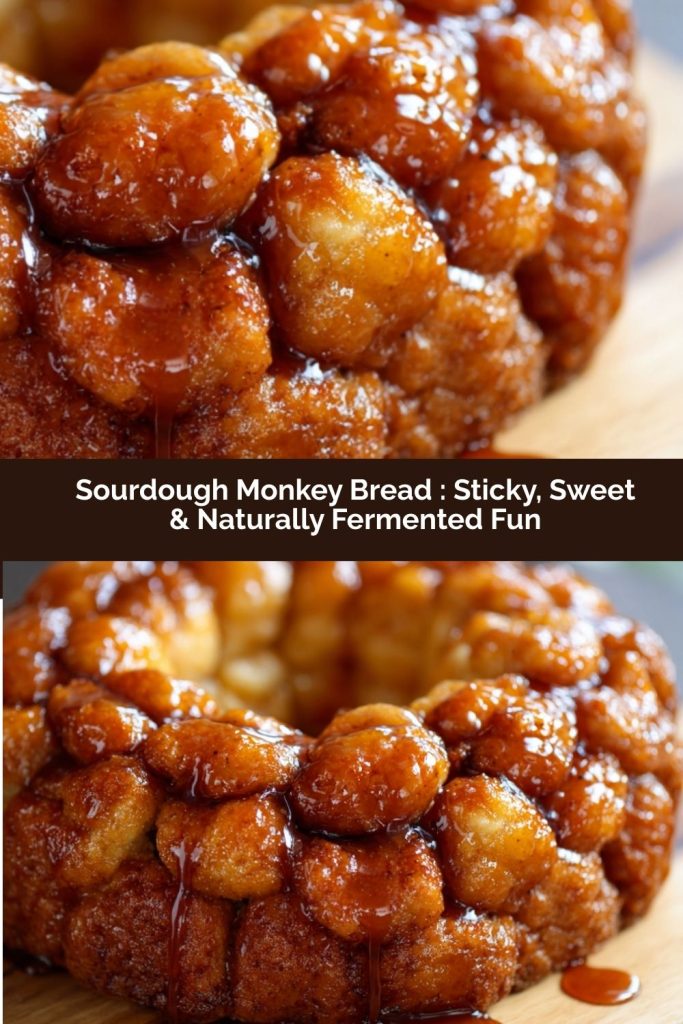
Final Thoughts
Sourdough Monkey Bread isn’t just a recipe—it’s an experience. It’s the joy of slow, hands-on baking, the nostalgia of sticky fingers, and the simple magic of sharing something warm and gooey with the people you love. The tangy depth of the sourdough elevates a classic treat into something unforgettable, while the cinnamon-sugar coating and buttery caramel sauce deliver all the indulgence you crave.
Whether you’re serving it for a festive brunch, a weekend treat, or just because, this pull-apart bread brings everyone together, one sticky, delightful piece at a time. Remember, the beauty of this recipe is in its forgiving nature: the dough doesn’t have to be perfect, and the sauce may bubble over a bit—it’s all part of the charm.