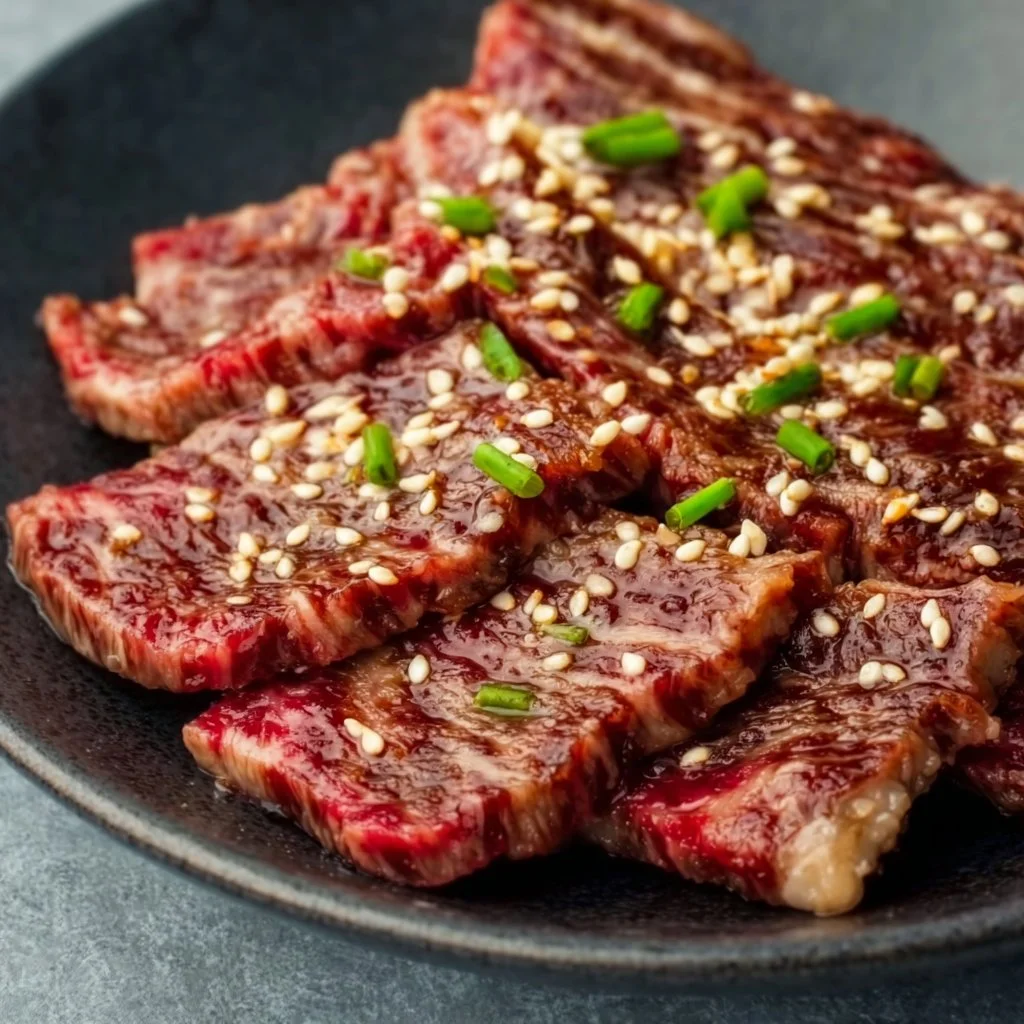
A Flavorful Journey: Beef Yakiniku
Hello, my foodie friends! 🌟 Today, we’re diving into a dish that not only fills your belly but also warms your heart: Beef Yakiniku. If you’ve ever indulged in this open-flame grilled delight from Japan, you’ll know what I’m talking about — the smoky, umami-rich flavors combined with the tender, juicy beef are truly a culinary experience you won’t forget.
Yakiniku, which translates to "grilled meat," has its roots steeped in tradition since the Meiji era. It has evolved so much and is now a beloved dish worldwide. However, don’t let the history of this dish intimidate you! In my kitchen, making Beef Yakiniku is not just about following a recipe—it’s about creating joyful moments and hearty meals to bring family and friends together. I’m here to guide you through each step of the process, making it as simple and fun as possible!
Picture this: a lively gathering around the table, everyone engaged in a good laugh, the enticing aroma of marinated beef wafting through the air, and the irresistible sizzle as it hits the grill. Now, that’s what cooking is all about! So, roll up those sleeves and get ready for an adventure filled with flavor and delightful memories. Join me in embracing the magic of home-cooked meals—let’s make some Beef Yakiniku together!
Personal Story
Let me share a little story with you that still brings a smile to my face. A few summers ago, I hosted a backyard barbecue to celebrate my brother’s birthday. It was just us, the sun, and a sizzling grill. I decided to whip up some Beef Yakiniku, a recipe that my late grandmother shared with me during a quiet afternoon kitchen session many years before.
As I thinly sliced the flank steak, I could almost hear her voice guiding me: "Make sure to cut against the grain, Anna! And don’t forget the marinade—it’s the secret!"
That day, while we grilled the beef to perfection, I remember catching our giggles as we experimented with various marinades — an extra splash of soy sauce, adding just a pinch more ginger. We even had a mini taste-off to see who could make the best sauce! With every bite of the savory beef, we reminisced about all the family meals we shared over the years, and I couldn’t help but feel a surge of gratitude for those cherished moments.
So, whether you’re cooking for your family or hosting a get-together, remember that cooking is as much about creating memories as it is about the food itself. Let’s make your own Yakiniku story together!
Ingredients
Here’s what you’ll need to make the mouthwatering Beef Yakiniku:
For the Beef:
- 750 g (1.65 lbs) flank or skirt steak
Choose between flank or skirt steak for the best results; both are flavorful and tender. If you can’t find these cuts, sirloin or ribeye can also work nicely. Just be sure to slice them thinly against the grain for that melt-in-your-mouth texture.
For the Marinade:
-
80 ml (⅓ cup) low-sodium light soy sauce
Using low-sodium soy sauce helps us control the salt levels while still enjoying that deep umami flavor. If you don’t have it, feel free to use regular soy sauce, just adjust the salt in the rest of the meal accordingly. -
½ tbsp gochujang (Korean red chili paste)
This adds a delicious depth of flavor and a little kick! If you’re sensitive to spicy, start with a small amount, and adjust to your taste. -
1 tbsp mirin
Mirin brings a touch of sweetness and complexity. Don’t have any on hand? A mix of sake and sugar can serve as a substitute in a pinch. -
2 tsp minced ginger
Fresh ginger gives a lively zest to the marinade. Don’t have fresh? Ground ginger works as a suitable alternative, but use half the amount. -
½ tsp garlic powder or 1 tsp garlic paste
Garlic and beef are a match made in heaven! Fresh garlic can also work wonders here too — just be sure to adjust the quantity as needed. -
1 tbsp sesame oil
Sesame oil adds rich flavor and a hint of nuttiness. You can substitute it with any neutral oil if necessary, but I suggest sticking with it for that authentic taste! -
1 tbsp neutral oil (e.g., avocado or rapeseed)
A neutral oil is perfect for grilling and won’t overwhelm the flavors. You could even use olive oil in a pinch, though it may add a slight different taste. -
4 tbsp light brown sugar
This sugar will help caramelize the beef beautifully as it cooks. If you’re looking for a healthier option, honey or maple syrup can be excellent substitutes.
To Serve:
-
Sesame seeds
A sprinkle of sesame seeds gives your dish that extra touch of elegance and crunch! Feel free to toast them lightly for an added flavor kick. -
Boiled rice
Served alongside the Beef Yakiniku, rice soaks up that flavorful sauce and creates a harmonious plate. Use steamed sticky rice or jasmine rice for the best outcome! -
Chopped cucumber and tomato
Fresh veggies add a pop of color and a refreshing contrast to the rich meat. You can also toss in some sliced radishes or bell peppers for extra crunch!
Step-by-Step Instructions
-
Prepare the Marinade: Start by combining all the marinade ingredients in a bowl. Whisk together the low-sodium soy sauce, gochujang, mirin, minced ginger, garlic powder (or paste), sesame oil, neutral oil, and light brown sugar. The combination should be a colorful, fragrant mixture that will make your taste buds tingle.
Tip: Taste the marinade! Adjust the flavors to your preference. A hint more sweetness? Toss in a little extra sugar! Love garlic? Add more garlic paste!
-
Marinate the Beef: Slice your flank or skirt steak as thinly as possible against the grain. This technique is key to achieving tender bites. Once you’ve sliced the beef, massage it into the marinade with your hands (don’t be shy!). Ensure every piece is coated.
Chef Hack: If possible, allow the beef to marinate for at least 30 minutes, or even better, a few hours in the fridge. The longer it marinates, the deeper the flavor!
-
Preheat the Grill: Get your grill or a cast-iron skillet hot, and preheat to medium-high heat. A well-prepared cooking surface is crucial; it allows for beautiful searing.
Pro Tip: For that extra char, sprinkle a little sesame oil on the grill before adding the beef – the smoke will bring out incredible flavors!
-
Grill the Beef: Lay the marinated beef slices on the grill. Don’t overcrowd the grill; trust me, you want a nice sear. Cook for about 2-3 minutes per side until they’re beautifully caramelized and tender. You should see lovely grill marks!
Tip: If you’re using a skillet, a splash of water will help avoid the beef from sticking while infusing a bit of steam.
-
Prepare the Accompaniments: While the beef cooks, prepare your serving station. Steam some rice, chop fresh cucumbers and tomatoes, and have sesame seeds ready.
-
Serve It Up: Once the beef is done grilling, remove it from the heat promptly to maintain its juiciness.
Chef’s Follow-Up: Letting meat rest allows the juices to redistribute, creating a perfect bite. Just a few minutes will make all the difference!
-
Plate with Love: Serve the grilled beef over a bed of rice, garnishing with sesame seeds and complemented by fresh vegetables.
Final Touch: Drizzle some reserved marinade over the beef (you can bring it to a boil if you’re concerned about raw ingredients) for an extra burst of flavor!
Serving Suggestions
When it comes time to plate your Beef Yakiniku, think color and layers! Start with a generous scoop of fluffy boiled rice as the base. Layer the beautifully grilled beef slices atop the rice, adding a sprinkle of sesame seeds for that delightful crunch. Surround the beef with chopped cucumber and fresh tomato for a splash of color and crunch. The presentation is not just for looks; it also enhances the flavors when eaten together!
Feel free to also add a side of pickled vegetables for a tad of tanginess that complements the savory beef.
Recipe Variations
Let’s mix it up a little! Here are some fun variations to try with your Beef Yakiniku:
-
Spicy Yakiniku: Add more gochujang or even some sliced fresh chili peppers to kick the heat up a notch.
-
Vegetarian Delight: Substitute beef with marinated tofu or portobello mushrooms for a tasty, plant-based version!
-
Korean Twist: Serve your Beef Yakiniku with kimchi on the side for an added layer of flavor and a probiotic punch.
-
Citrus Zing: Add a splash of lime or yuzu juice to the marinade for a refreshing, citrusy twist.
-
Herbed Yakiniku: Try adding fresh herbs like cilantro or green onions to the finished dish for extra freshness.
Chef’s Notes
Cooking Beef Yakiniku in my kitchen has been an evolving journey over the years. I’ve learned that the key to perfection lies not just in the ingredients, but in the love and laughter shared around the table.
One memorable mishap happened when I accidentally used a high-sodium soy sauce, and the result was…let’s just say, overly salty! We turned it into a delicious joke, calling it “Beef Yakiniku à la Salty Sea.” Now, I always double-check the label.
Over time, I’ve come to realize how much this dish encapsulates the essence of home cooking: warm, welcoming, and full of delightful surprises. So, embrace those little quirks; they create stories!
FAQs and Troubleshooting
1. Why does my beef seem tough?
Make sure to slice against the grain! This makes all the difference in texture. Also, don’t overcook it; just a few minutes on each side is all it needs.
2. Can I make the marinade ahead of time?
Absolutely! In fact, making the marinade in advance can let those flavors intensify. Just store it in the fridge for up to a week.
3. Is there a way to prepare this in the oven?
Yes! You can use a broiler as an alternative. Just place the marinated beef on a baking sheet and broil for about 3-5 minutes per side. Keep a close eye, as it can cook quickly!
4. How do I store leftovers?
Store any leftovers in an airtight container in the refrigerator for up to 3 days. Just remember that rice and beef can dry out, so reheating them gently will keep them moisture-friendly.
Nutritional Info
(Estimated per serving)
- Calories: 400
- Protein: 32g
- Fat: 21g
- Carbohydrates: 30g
These values can vary based on ingredient choices and serving sizes.
Final Thoughts
Cooking Beef Yakiniku is more than just a recipe; it’s an invitation to create delicious memories that linger long after the meal is over. Whether you’re cooking for family, friends, or just for yourself, each step in this journey is an opportunity for fun and creativity in the kitchen.
I hope you feel inspired to give this dish a try and to add your unique flair! As you savor your Beef Yakiniku, remember to share your stories, your laughter, and your cooking triumphs (and kitchen mishaps) with those you love.
Now, grab your aprons, channel your inner chef, and let’s grill up something magical together! Happy cooking! 🍽️❤️
PrintBeef Yakiniku
Experience the smoky, umami-rich flavors of Beef Yakiniku, a beloved Japanese grilled dish perfect for gatherings.
- Prep Time: 30 minutes
- Cook Time: 10 minutes
- Total Time: 40 minutes
- Yield: 4 servings 1x
- Category: Main Course
- Method: Grilling
- Cuisine: Japanese
- Diet: Non-Vegetarian
Ingredients
- 750 g (1.65 lbs) flank or skirt steak
- 80 ml (⅓ cup) low-sodium light soy sauce
- ½ tbsp gochujang (Korean red chili paste)
- 1 tbsp mirin
- 2 tsp minced ginger
- ½ tsp garlic powder or 1 tsp garlic paste
- 1 tbsp sesame oil
- 1 tbsp neutral oil (e.g., avocado or rapeseed)
- 4 tbsp light brown sugar
- Sesame seeds, for serving
- Boiled rice, for serving
- Chopped cucumber and tomato, for serving
Instructions
- Prepare the Marinade: Combine all the marinade ingredients in a bowl and whisk together.
- Marinate the Beef: Thinly slice the beef against the grain and massage it into the marinade.
- Preheat the Grill: Get the grill or skillet hot to medium-high heat.
- Grill the Beef: Lay the marinated beef slices on the grill and cook for about 2-3 minutes per side.
- Prepare the Accompaniments: Steam rice and chop fresh vegetables.
- Serve It Up: Remove the beef from heat and let it rest briefly before serving.
- Plate with Love: Serve grilled beef over rice, garnish with sesame seeds and fresh vegetables.
Notes
For a spicier version, add more gochujang or fresh chili peppers. Substitute beef with marinated tofu for a vegetarian option.
Nutrition
- Serving Size: 1 serving
- Calories: 400
- Sugar: 16g
- Sodium: 700mg
- Fat: 21g
- Saturated Fat: 5g
- Unsaturated Fat: 14g
- Trans Fat: 0g
- Carbohydrates: 30g
- Fiber: 2g
- Protein: 32g
- Cholesterol: 70mg
Keywords: beef, yakiniku, grilled meat, Japanese food, marinade, barbecue