Bring the British Seaside to Your Kitchen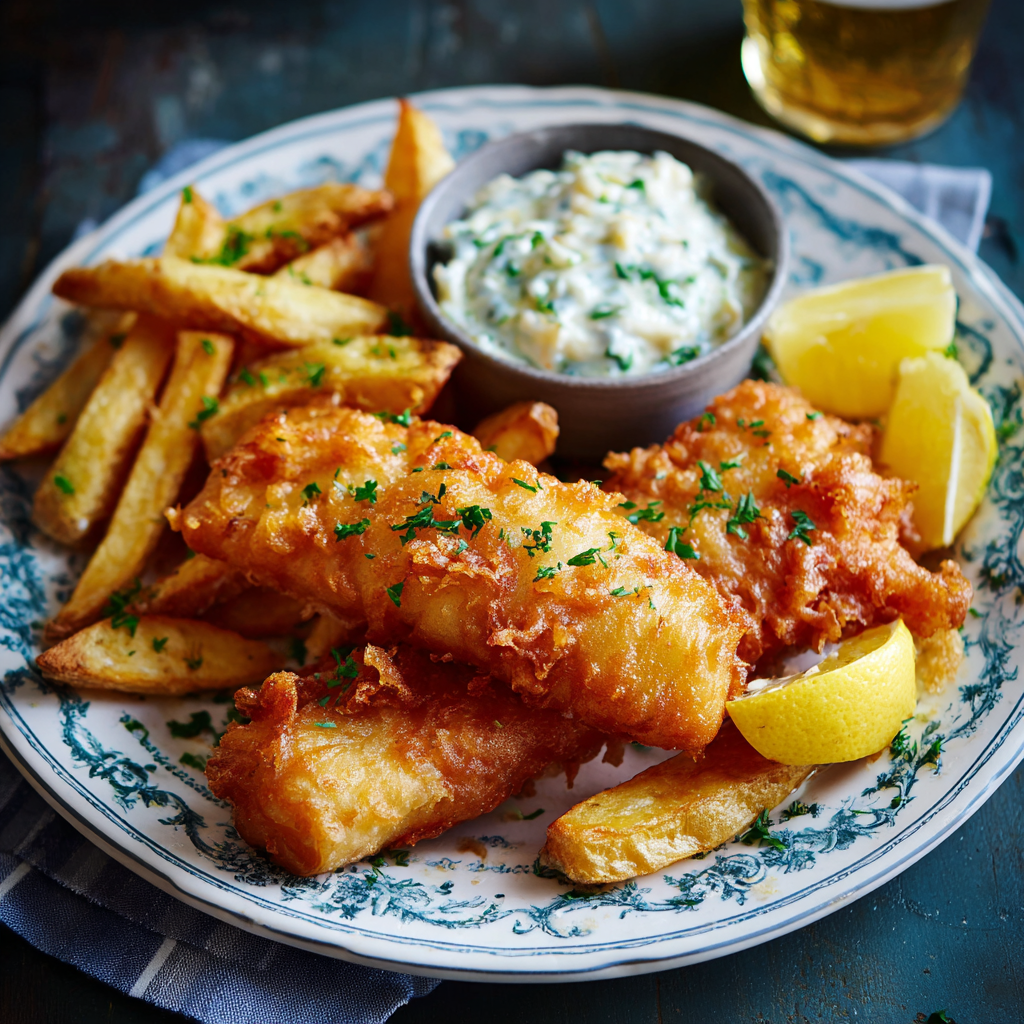
Hey there, friend! Can you smell it? That intoxicating, mouth-watering aroma of crispy batter hitting hot oil, mingling with the earthy scent of perfectly fried potatoes? It’s the smell of pure, unadulterated joy. It’s the smell of fish and chips.
For so many of us, this classic dish is more than just food; it’s a feeling. It’s the happy exhaustion after a day at the beach, fingers salty from the sea air, now eagerly unwrapping a steaming parcel of newspaper. It’s the comforting clatter of a busy pub, the promise of a hot, satisfying meal shared with good company. But here’s my kitchen secret: you don’t need a seaside pier or a pub garden to experience that magic. You can create it right on your stovetop, and I promise, it’s easier (and maybe even better) than you think.
Today, we’re rolling up our sleeves and making Classic British Pub-Style Fish and Chips from scratch. We’re talking flaky, sweet fillets of white fish encased in a shell of impossibly light, golden, and audibly crunchy batter. Paired with our own thick-cut “chips” – fluffy and soft on the inside, crispy and salted on the outside. This isn’t about fancy techniques; it’s about nailing the fundamentals with a few chef-approved hacks. So, grab your largest pot, your trusty spider strainer or slotted spoon, and let’s turn your kitchen into the best chippy in town. It’s time to cook up some memories, one crispy bite at a time.
A Memory Wrapped in Newspaper
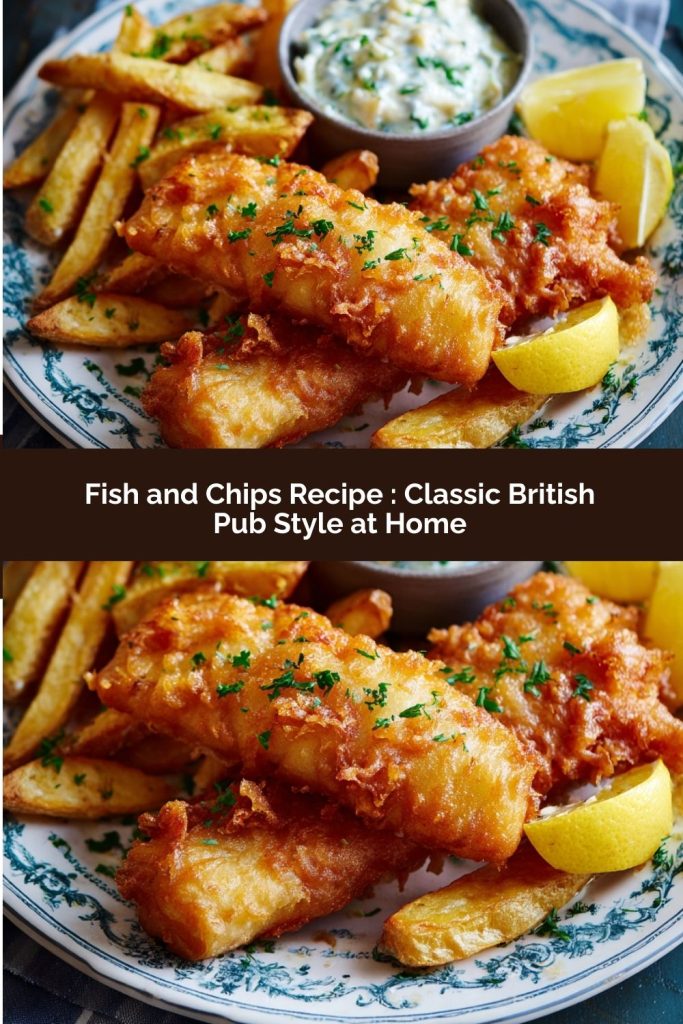
PrintFish and Chips Recipe : Classic British Pub Style at Home
Bring the taste of a British seaside pub to your kitchen with this authentic fish and chips recipe. Flaky white fish is coated in a light, crunchy batter and paired with thick-cut fries that are crispy on the outside and fluffy inside. It’s easier than you think and perfect for Friday night dinners, comfort food cravings, or impressing guests.
- Prep Time: 30 minutes (plus soaking time)
- Cook Time: 30–40 minutes
- Total Time: 1 hour
- Yield: 4 1x
Ingredients
For the Fish:
1½ lbs white fish fillets (cod or haddock work best)
1 cup all-purpose flour, plus extra for dusting
½ cup cornstarch
1 teaspoon baking powder
1 teaspoon salt
½ teaspoon black pepper
1 cup cold sparkling water or club soda
1 egg (optional)
Vegetable or canola oil, for frying
For the Chips (Fries):
3 large russet potatoes, peeled and cut into thick fries
Salt, to taste
Oil for frying
Instructions
Prep the Potatoes:
Soak potato slices in cold water for at least 30 minutes (or up to a few hours) to remove excess starch.
Drain and pat dry thoroughly.
Cook the Chips (Double Fry Method):
3. Heat oil to 325°F (160°C). Fry potatoes in batches for 3–4 minutes until soft but not browned. Remove and drain.
4. Increase oil to 375°F (190°C). Fry potatoes again until golden and crispy, about 3–5 minutes. Drain and season with salt.
Make the Batter and Fry the Fish:
5. Mix flour, cornstarch, baking powder, salt, and pepper in a bowl. Whisk in cold sparkling water just until combined (some lumps are okay). Fold in egg if using.
6. Pat fish dry and lightly dust with flour. Dip into batter, let excess drip off, then fry in 350°F (175°C) oil for 4–6 minutes per side, until golden brown and cooked through.
7. Drain on a wire rack.
Nutrition
- Calories: 600–700
- Fat: 30g
- Carbohydrates: 50g
- Protein: 35g
My love affair with fish and chips began not in a pub, but on a windswept, pebbly beach in Cornwall. I was about eight, bundled in a sweater that smelled of wool and sea spray, after a long day of building (failing at) sandcastles and daring each other to dip our toes in the freezing Atlantic. My dad would disappear and return like a culinary hero, bearing greasy, warm parcels wrapped in newspaper that instantly became the most coveted treasure on the beach.
The ritual was everything. Peeling back the paper, the steam hitting your face. The frantic search for the little cardboard pot of mushy peas (which my younger self thought was weird, but I’ve since come to appreciate!). The challenge of trying to eat a chip while the seagulls eyed you like feathered pirates. But that first bite of the fish… it was a revelation. The shattering crunch of the batter giving way to the steaming, tender, snow-white flesh inside. It was pure, hot, delicious comfort. It tasted like vacation, like family, like joy. That’s the feeling I’m chasing every time I make this recipe at home. It’s my edible time machine, and I’m so excited to share the ticket with you.
Gathering Your Cast of Characters
Great food starts with great ingredients, and the beauty here is in their simplicity. Here’s what you’ll need to create your pub-style masterpiece.
For the Perfect Chips:
- 3 large Russet potatoes: Our MVP. Russets (also called Idaho or baking potatoes) are high in starch and low in moisture, which is the dream team for achieving that fluffy interior and crispy exterior. Chef’s Insight: Don’t peel them if you love a rustic chip with extra texture!
- Vegetable, canola, or peanut oil for frying: You’ll need a good amount (about 2-3 quarts) to fill your pot a third of the way. Choose an oil with a high smoke point and neutral flavor.
- Salt, to taste: Maldon sea salt flakes are my absolute favorite for finishing. They add a delightful crunch and clean saltiness.
For the Legendary Beer Batter:
- 1 cup (125g) all-purpose flour: The backbone of our batter. We’ll also use a bit extra for dusting the fish.
- ½ cup (65g) cornstarch: This is the secret weapon! Cornstarch creates a batter that fries up incredibly light and crisp, almost like a tempura. It’s non-negotiable for that iconic crunch.
- 1 teaspoon baking powder: Our little leavening agent that adds airiness and lift to the batter.
- 1 teaspoon fine sea salt
- ½ teaspoon freshly ground black pepper
- 1 ¼ cups (300ml) cold lager beer or sparkling water: The choice is yours! Beer adds a wonderful yeasty, malty flavor that’s classic. Sparkling water keeps it neutral and super light. The key is that it’s ICE COLD. Carbonation = crispiness. Substitution Tip: Gluten-free flour blend and gluten-free beer work beautifully here.
- 1 large egg white (optional but recommended): Whisked to soft peaks and folded in at the end, this gives the batter an extra layer of airy, shaggy crispness. It’s my favorite hack!
For the Star of the Show:
- 1 ½ lbs (700g) thick white fish fillets: Cod or haddock are the traditional, perfect choices. Look for sustainably sourced, firm, thick fillets. Chef’s Insight: Pat them DRY with paper towels. This is the single most important step for crispy fish—no steam allowed!
Let’s Get Cooking: Step-by-Step to Crispy Bliss
Ready? Aprons on, music up, and let’s do this. We’ll work in stages: chips first (they can stay warm in a low oven), then the fish batter and fry. Trust the process!
Step 1: The Chip Prep (Patience is a Virtue)
Peel your potatoes (or don’t!) and slice them into thick batons, about ½ to ¾-inch wide. Consistency is key so they cook evenly. Now, here’s the magic: place them in a large bowl and cover with cold water. Soak for at least 30 minutes, but up to a few hours if you can. This washes away excess surface starch, which is what prevents soggy fries and promotes maximum crispiness. After their bath, drain and dry them THOROUGHLY with a clean kitchen towel or paper towels. Wet potatoes = dangerous oil splatters and steamed, not fried, chips.
Step 2: The Double Fry (This is the Way)
Heat your oil in a large, heavy-bottomed pot (like a Dutch oven) to 325°F (160°C). Use a thermometer – it’s your best friend here. Working in batches to avoid crowding, carefully add a portion of your dried potatoes. Fry for 4-5 minutes. They won’t be brown yet, but they’ll be cooked through and soft. Remove with a spider strainer or slotted spoon and let them drain on a wire rack set over a baking sheet. Repeat with all potatoes. This is the first fry (blanching) that cooks the inside.
Now, crank that heat up! Bring your oil to 375°F (190°C). Again in batches, fry the potatoes a second time for 2-4 minutes, until they are gloriously golden brown and crispy. Drain on the wire rack (this keeps them crisp underneath), and immediately season generously with salt. You can keep these warm in a 200°F (95°C) oven on the wire rack while you fry the fish.
Step 3: Batter Up! (Keep it Cold and Lumpy)
In a large bowl, whisk together the flour, cornstarch, baking powder, salt, and pepper. Place this bowl in the fridge for 10 minutes if you can—cold batter = crispy batter. When you’re ready, pour in your cold beer or sparkling water. Now, listen closely: whisk it until it’s JUST combined, and then STOP. A few lumps are not just okay, they’re desirable! Over-mixing develops gluten, which can lead to a tough, doughy coating. If you’re using the egg white, whisk it in a separate bowl to soft peaks, then gently fold it into the batter. It will be light and bubbly.
Step 4: The Main Event (Frying the Fish)
Ensure your fish fillets are patted bone-dry. Cut any very large fillets into portion-sized pieces. Lightly dust each piece with a little extra flour—this helps the batter cling. Bring your oil temperature to a steady 350°F (175°C).
Holding a piece of fish by the tail end, dunk it into the batter, let the excess drip off for a second, and then carefully lower it into the hot oil. Fry 2-3 pieces at a time max to maintain the oil temperature. Fry for 5-7 minutes, turning once, until the batter is a deep, golden brown and the fish is opaque and flaky. Drain perfectly on the wire rack. Repeat with love and confidence!
How to Serve Your Masterpiece
Presentation is part of the fun! For the full experience, serve on warm plates or even on sheets of parchment paper. Pile high those golden chips next to your beautiful piece of battered fish. The essential companions? A big wedge of lemon for squeezing, and your choice of malt vinegar (sprinkled liberally) and tartar sauce. For a true British touch, add a side of mushy peas or a simple garden pea. It’s a feast for the eyes and the soul.
Make It Your Own: Fun Twists & Swaps
Love the classic, but want to play? Here are some delicious ways to mix it up:
- Spicy Kick: Add 1 tsp smoked paprika and a pinch of cayenne to the batter dry mix.
- Herb Garden: Fold 2 tbsp of finely chopped fresh dill, parsley, or chives into the batter.
- Oven-Baked “Fakeaway”: For a lighter version, toss chips in oil and bake at 425°F (220°C) until crispy. Coat fish in batter and bake on a wire rack at a high heat. It won’t be *as* crunchy, but it’s still delicious!
- Gluten-Free Glory: Use a 1-to-1 GF flour blend and cornstarch in the batter, with GF beer or sparkling water.
- Fish Swap: Try this with thick pieces of pollock, halibut, or even sustainable pangasius.
Anna’s Kitchen Notes
This recipe has seen many iterations in my kitchen! I’ve learned that the wire rack is non-negotiable—draining on paper towels steams the underside and makes it soggy. I also used to be terrified of a “lumpy” batter until a chef friend yelled (lovingly) at me to stop over-mixing. He was right! The funniest fail? The time I tried to “save oil” by frying in a small saucepan. Let’s just say I had fish stew, not fried fish. Use a big pot, give the ingredients space, and respect the thermometer. It’s a forgiving recipe, but those three things are the holy trinity of success.
Your Questions, Answered
Q: My batter slid right off the fish! What happened?
A: The most likely culprit is moisture. You MUST pat the fish fillets completely dry before the light flour dusting and batter dip. Any water creates a barrier. Also, ensure your oil is hot enough (350°F); if it’s too cool, the batter won’t set instantly and can slide.
Q: Can I use a different oil? What about an air fryer?
A: For traditional frying, stick with neutral, high-smoke-point oils: peanut, canola, vegetable, or sunflower. For an air fryer, you can make excellent chips! Toss dried potato batons in a little oil and air fry at 400°F (200°C) until crispy, shaking occasionally. The battered fish is trickier in an air fryer, but a very light spray of oil on a battered fillet can work—expect a different, but still tasty, texture.
Q: My chips are soggy. How do I fix this?
A> Soggy chips = insufficient drying after soaking OR overcrowding the pot during frying (which drops the oil temp). Always dry thoroughly, fry in batches, and use that wire rack instead of a bowl lined with paper towels.
Q: Can I make anything ahead?
A> Absolutely! You can cut and soak the potatoes the night before, storing them in water in the fridge. You can also make the tartar sauce ahead. The batter, however, is best made right before frying. You can keep the first-fried chips at room temp for a couple of hours before their second fry.
Nutritional Information*
*This is an approximate estimate per serving (¼ of the recipe) calculated using an online nutrition calculator. Values can vary based on specific ingredients and amount of oil absorbed.
Per Serving: Calories: ~650 | Protein: 35g | Carbohydrates: 55g | Fat: 30g | Saturated Fat: 2.5g | Cholesterol: 80mg | Sodium: 900mg | Fiber: 3g | Sugar: 1g
✨ Final Thoughts
There’s something deeply comforting about a meal that crackles when you bite into it. This fish and chips recipe isn’t just about crispy batter and fluffy potatoes—it’s about slowing down, sharing something warm, and turning an ordinary evening into a little celebration. Whether you’re cooking for family, friends, or just yourself after a long day, this dish delivers that rare mix of nostalgia and pure satisfaction.
So heat the oil, squeeze that lemon, and don’t forget the vinegar. Some recipes feed your stomach… this one feeds your soul too. 💛