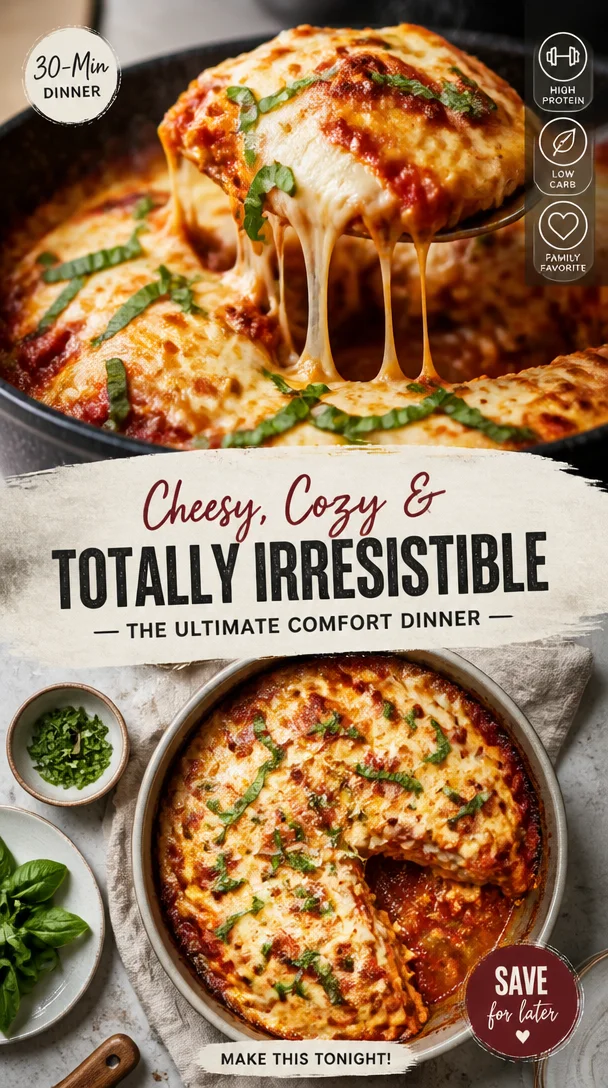
The Art of Homemade Pasta: A Journey to the Heart of Italian Cuisine
Cooking is a journey, a delightful adventure that fills our kitchens with captivating aromas and our hearts with warmth. Today, we’re embarking on a culinary trip to Italy with homemade pasta! The thought of creating fresh, tender pasta from scratch may seem daunting, but trust me—it’s one of the most fulfilling experiences you can have in the kitchen. Imagine twirling long strands of spaghetti around your fork, tasting the love that’s been kneaded into the dough. There’s something almost magical about transforming basic ingredients into a dish that sings with flavor and authenticity.
Homemade pasta isn’t just about the end result; it’s about the joy of the process. As you flour your countertop and roll out your dough, you’ll discover a rhythm that turns cooking into a meditation. Plus, nothing beats the pride of serving a plate of pasta that you made with your own two hands!
But don’t worry if you’ve never made pasta before—I’m here to guide you every step of the way. With a few simple ingredients and my straightforward instructions, you’ll soon be on your way to impressing your family and friends with your pasta-making prowess. So, let’s tie on those aprons, turn up the music, and start this delicious adventure together!
A Pasta Memory from My Youth
I’ll never forget the first time I made pasta with my grandmother. A small kitchen disguised as a cozy haven, the sunlight streamed through the window, illuminating the flour dust that hung in the air. She called it "making magic," and magic it was! Armed with her well-worn rolling pin and a mixture of flour, eggs, and a pinch of salt, we dove into a weekend ritual that was both comforting and full of laughter.
I remember the way she rolled the dough with such skill, her hands steady with years of practice. I was her eager assistant, tasked with overseeing the flour — if too much fell on the floor, we both knew there’d be a playful scolding! As we cut the pasta into tagliatelle, I was mesmerized by the transformation. Each piece of dough became a vessel for all sorts of sauces and toppings. That day, not only did I learn how to create something delicious, but I also absorbed the vital cooking lessons my grandmother imparted: patience, love, and a respect for good ingredients. That memory sticks with me to this day, reminding me that cooking is not just about feeding the body; it’s about nourishing the soul.
Ingredients for Homemade Pasta
Gathering your ingredients is the first exciting step! Here’s what you’ll need:
-
All-Purpose Flour (2 cups)
This forms the base of your pasta. You can also use “00” flour (Italian flour perfect for pasta) for an even finer texture. If you need a gluten-free option, rice or chickpea flour can work, but you might need to adjust the liquid. -
Large Eggs (3)
Fresh eggs lend richness and color to your pasta. If you’re vegan, you can experiment with a mixture of flaxseed meal and water (1 tablespoon flaxseed meal + 2.5 tablespoons water) to replace each egg. -
Salt (1/2 teaspoon)
A pinch of salt enhances the flavor of your dough, acting like a conductor in an orchestra. You can also add herbs to the flour for flavored pasta! -
Olive Oil (1 tablespoon)
Adds a lovely richness to your pasta. Extra virgin olive oil is best for the authentic flavor, but if you need a substitute, avocado oil can work well too. -
Semolina Flour (optional for dusting)
This is great for preventing your pasta from sticking. You can also use more all-purpose flour if semolina isn’t on hand.
With these straightforward ingredients, you’re already halfway to creating a labor of love that will impress everyone at your table.
Step-by-Step Instructions to Make Homemade Pasta
Cooking homemade pasta is a beautifully tactile experience. Ready to roll? Here’s a step-by-step guide to help you along the way!
-
Make the Dough
Start by pouring your all-purpose flour on a clean countertop, creating a mound. Make a well in the center (like a volcano!). Crack your eggs into the well, then sprinkle the salt and drizzle the olive oil. With a fork, whisk the eggs, gradually incorporating the flour from the edges of the well. Once the mixture is too thick to stir, use your hands to knead the dough together.Chef tip: If the dough feels too sticky, sprinkle a bit more flour. If it’s too dry, add a tiny amount of water. The goal is a smooth, elastic dough!
-
Knead the Dough
Transfer your dough to a floured surface and knead it for about 8-10 minutes until it’s smooth and pliable. To knead, push the dough away from you with the heel of your hand, fold it back, and turn it. Repeat this motion.Little chef hack: Resting the dough in plastic wrap for 30 minutes will improve its elasticity. Use this time to clean up the kitchen or prepare your sauce!
-
Roll Out the Dough
Once rested, cut the dough into quarters. Keep the pieces you aren’t using covered to prevent them from drying. Flatten one piece slightly, flour it lightly, and roll it out with a rolling pin or pasta machine until it reaches your desired thickness (about 1/16 inch for thin pasta).Note: The thinner the pasta, the quicker it cooks!
-
Cut the Pasta
Decide what type of pasta you’d like to make—tagliatelle, fettuccine, or even lasagna sheets! For tagliatelle, simply fold the rolled-out dough lightly and use a sharp knife to cut it into thin strips. Dust the cut pasta with a bit of flour to prevent sticking.Pro tip: Use a pizza cutter for more uniform strips!
-
Cook the Pasta
Bring a large pot of salted water to a boil and add your pasta. Fresh pasta cooks quickly — usually just 2-4 minutes! Keep an eye on it and taste a piece to check for doneness.Chef’s secret: Save a cup of pasta water before you drain it — it’s liquid gold for creating a silky sauce!
Serving Suggestions
Your beautifully homemade pasta is now ready to shine! Plate it in broad shallow bowls or on a large platter with a drizzle of olive oil or a sprinkle of fresh herbs. Pair it with your favorite sauce—be it a robust marinara, a rich Alfredo, or simply garlic and olive oil. Don’t forget a shower of grated Parmigiano-Reggiano on top for extra flavor!
Recipe Variations
Here are some fun twists to explore with your pasta-making journey:
-
Herbed Pasta: Add a blend of dried herbs like basil, oregano, or parsley to your dough for a delightful flair!
-
Flavored Pasta: Blend spinach, beet, or squid ink into your dough for vibrant colors and flavors.
-
Stuffed Pasta: Use the same dough to create ravioli or tortellini filled with ricotta, spinach, or even butternut squash.
-
Whole Wheat Pasta: Substitute half of the all-purpose flour with whole wheat flour for a nuttier taste and added fiber.
-
Noodle shapes: Try cutting dough into unique shapes like farfalle or orecchiette for a fun presentation!
Chef’s Notes
This homemade pasta recipe has been lovingly adapted over the years as I’ve explored different cooking styles, inspired by generations before me. I remember a particular mishap when I attempted to make artisan pasta for a dinner party. I forgot to cover my dough while it rested, and to my horror, it dried out! Fear not! After a little improvisation (mixing it with some water), I managed to pull it together just in time. It’s these little moments that remind me that cooking is an art, not a science. Mistakes often lead to the best stories, and creativity blossoms where you least expect it!
FAQs and Troubleshooting
1. My pasta dough is too sticky; what can I do?
If your dough feels sticky, add a tiny bit of flour at a time until it becomes manageable. Kneading is your friend — a bit more kneading can often solve the problem.
2. How do I know if my pasta is cooked?
Fresh pasta cooks quickly! Taste a strand after about 2 minutes. It should be tender but still have a slight bite (al dente).
3. What can I do with leftover dough?
You can freeze it! Wrap it tightly in plastic wrap and place it in a freezer bag. It’s perfect for future cravings!
4. Why does my pasta stick together?
This often happens if the noodles weren’t dusted with flour or if they sit for too long together without a bit of flour. Always sprinkle flour between layers, especially after cutting the pasta!
Nutritional Information (Optional)
While I won’t dive deep into numbers today, homemade pasta is generally a more wholesome option than store-bought. By using fresh ingredients, you’re making a meal with fewer preservatives and more flavor!
Final Thoughts
Making homemade pasta might be one of the most rewarding kitchen projects you can embrace. It’s an experience full of joy, laughter, and the delightful aroma of flour that wafts through your home—bringing family and friends together over bowls of lovingly crafted pasta dishes.
So keep your spirits high and your fork ready! I can’t wait for you to take this recipe and make it your own, filling your kitchens with the magic of homemade pasta. Until next time, keep cooking with love and curiosity—there’s always something new to discover in the world of flavors!
PrintHomemade Pasta

Create fresh, tender pasta from scratch with this straightforward and fulfilling recipe.
- Prep Time: 15 minutes
- Cook Time: 10 minutes
- Total Time: 25 minutes
- Yield: 4 servings 1x
- Category: Main Course
- Method: Baking
- Cuisine: Italian
- Diet: Vegetarian
Ingredients
- 2 cups All-Purpose Flour
- 3 Large Eggs
- 1/2 teaspoon Salt
- 1 tablespoon Olive Oil
- Semolina Flour (optional for dusting)
Instructions
- Make the Dough: Pour flour on a clean countertop, make a well, crack eggs into it, add salt and olive oil, and whisk together with a fork, gradually incorporating flour.
- Knead the Dough: Transfer to a floured surface, knead for 8-10 minutes until smooth and pliable.
- Roll Out the Dough: Cut dough into quarters, roll one piece to about 1/16 inch thickness, keeping others covered.
- Cut the Pasta: Choose your shape, dust with flour to prevent sticking.
- Cook the Pasta: Boil salted water, add pasta, and cook for 2-4 minutes.
- Serve it up: Plate with olive oil or sauce of choice and sprinkle with cheese.
Notes
Let the dough rest for better elasticity. Feel free to experiment with flavors by adding herbs or vegetables.
Nutrition
- Serving Size: 1 serving
- Calories: 350
- Sugar: 1g
- Sodium: 200mg
- Fat: 12g
- Saturated Fat: 2g
- Unsaturated Fat: 8g
- Trans Fat: 0g
- Carbohydrates: 45g
- Fiber: 2g
- Protein: 15g
- Cholesterol: 90mg
Keywords: pasta, homemade, Italian, cooking, comfort food